JOANNA CUTLER REAL ESTATE
Current Listing Page 4
 |
|
HOMEAGENTSCurrent Listings Page 1Current Listings Page 2Current Listings Page 3Current Listings Page 4Current Listings Page 5Current Listings Page 6Current Listings Page 7Current Listings Page 8Current Listings Page 9Current Listings Page 10Current Listings Page 11Current Listings Page 12Current Listings Page 13
|
10. THE PLAZA ONE CENTRAL PARK SOUTH APARTMENT 601 $14,500,000
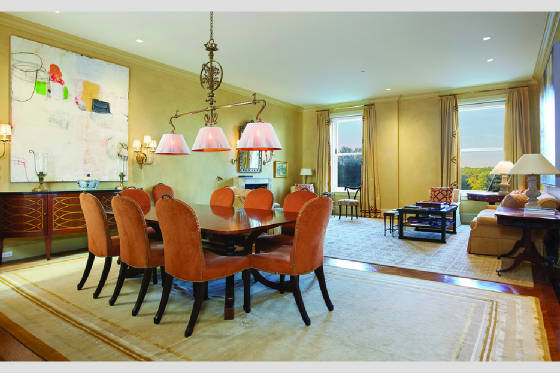
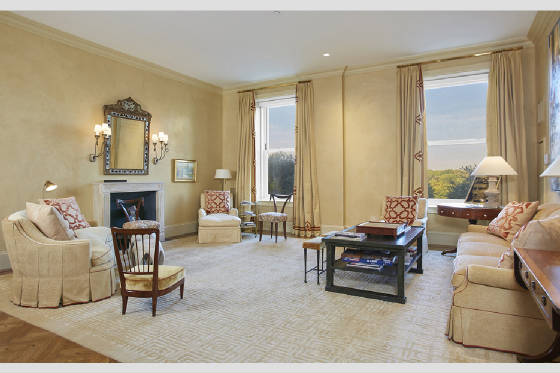
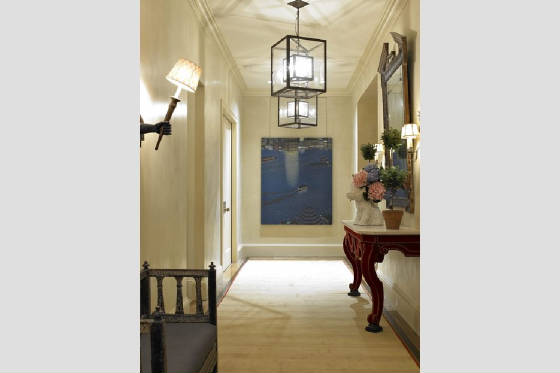
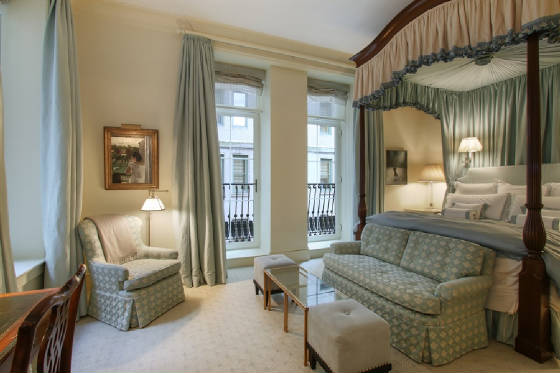
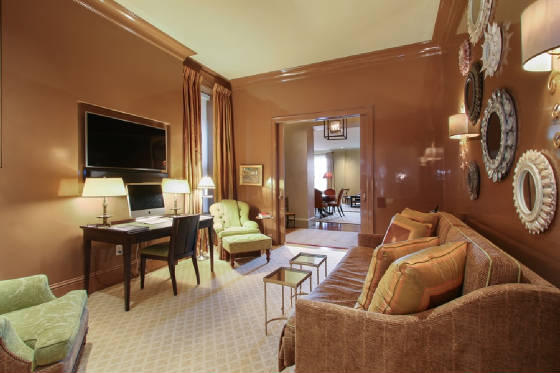
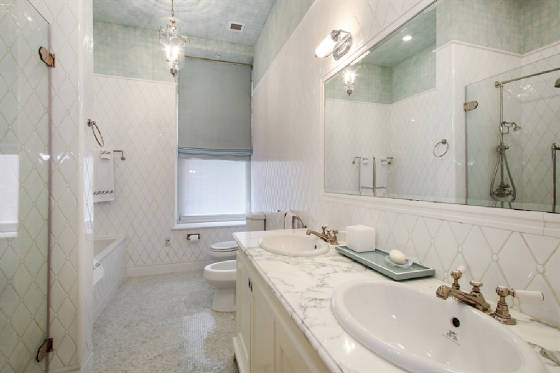
BREATHTAKING DIRECT CENTRAL PARK VIEWS Decorated by New York based designer Stephanie Stokes, this exquisitely renovated and generously proportioned corner 2,656 sq ft 3 Bedroom 3.5 Bath residence enjoys 11ft ceilings, excellent light, and spectacular views of Central Park and the
lake from the classically elegant grand scale Apartment 601 is perfectly situated to be combined with apartment 603-605 next door, and is being offered as a combination. This combination would achieve a superb and truly one of a kind 5,868 sq ft 5+ Bedroom apartment with 12 windows all facing Central Park. Built in 1907 by Henry J. Hardenberg in the style of a French Renaissance Chateau, The Plaza is a National Historic Landmark. Once home to the Vanderbilts and Astors, it continues its reign among the most prestigious addresses in the world. The Plaza Private Residences offers residents full Hotel Services, Luxury Attache Concierge Service, and amenities including The Oak Room and Oak Bar, The Palm Court, The Grand Ballroom, The Champagne Bar and Rose Club, The Plaza Food Hall by Todd English, La Palestra Fitness Center, Caudalie Spa, and Warren Tricomi Salon. CO - EXCLUSIVE
|
||||||||
|
|||||||||